Start with a specific car
Before determining the amount of the auction bid, it is worth finding out whether the car needs work under the recall campaign and how to organize it. The result of this check is the saved status and a list of next steps. It does not replace an inspection of the car, checking its documents or damage history.
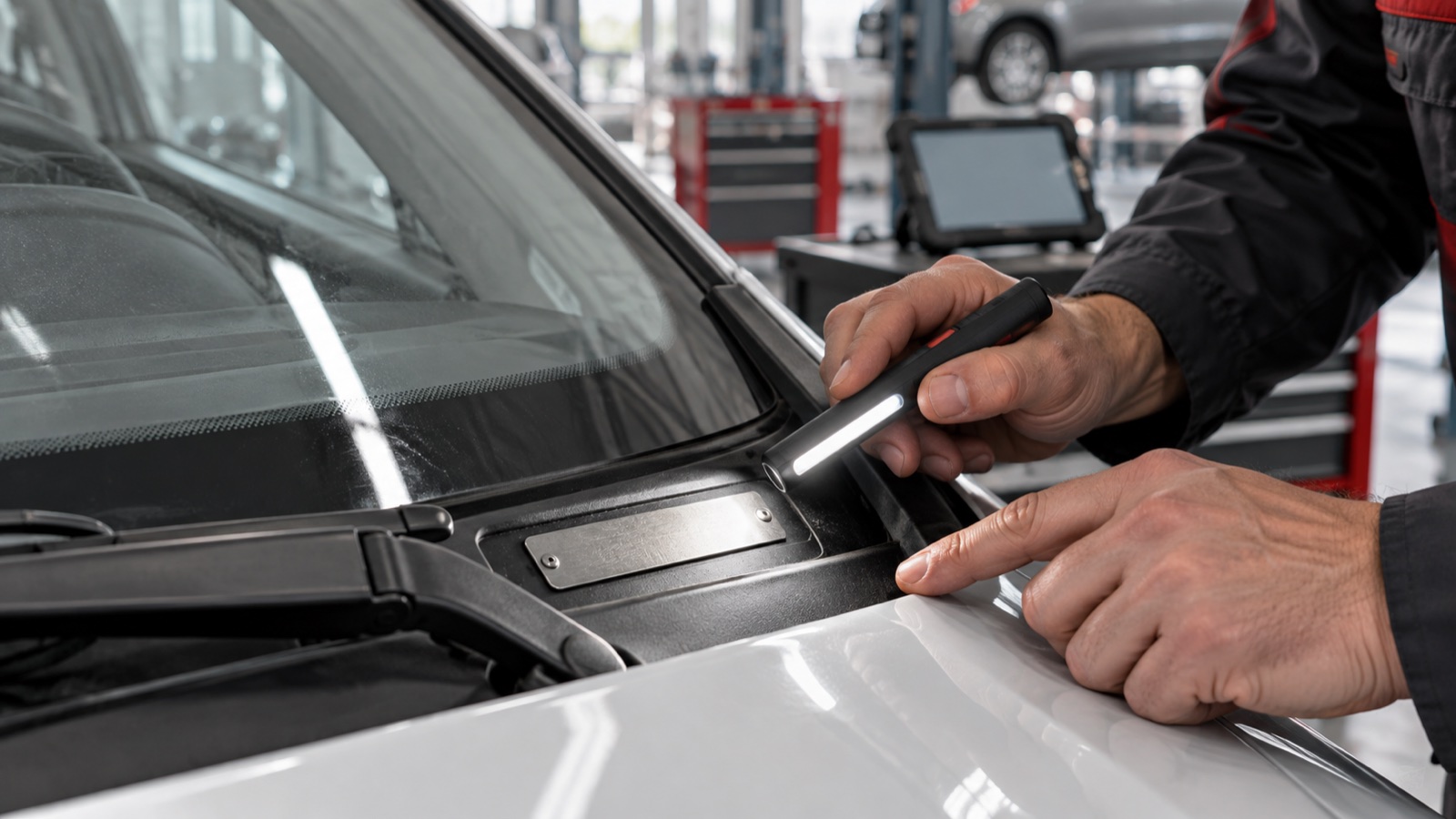
Compare the VIN in the auction listing with available photos of the factory markings and the vehicle title. If the information does not match, get an explanation first. Do not use the auction listing number in place of the VIN.
Search by VIN and save the result
On the official NHTSA “Check for Recalls” page, enter your VIN. Searching by VIN shows you pending recalls for a specific vehicle within the service’s coverage. Searching by year, make, and model gives you general information, including complaints and investigations; this is another level of verification.
Save the result with the date of the check in your own vehicle folder. For each campaign found, write down the number, a description of the problem, and the next step. If the page does not load or the ID is not recognized, mark the check as incomplete. A technical error does not equal no recalls.
Read the zero result correctly
As NHTSA explains, zero pending recalls in a service response is not a complete history of a vehicle. The search does not show recalls that have already been completed, some recent campaigns for which the VIN is still being added, and campaigns older than 15 years unless the manufacturer provides broader coverage. There are also limitations for small manufacturers, non-safety-related service campaigns, and vehicles from international markets.
Keep the exact wording of your answer. Do not rephrase it as “a car without defects.” If another source reports a campaign that is not in the result, provide the manufacturer with its number to clarify applicability to your car.
Read the campaign message
The NHTSA brochure “Motor Vehicle Safety Defects and Recalls” explains: The owner notice describes the hazard, the remedy, the availability of work, and the procedure to follow. Just because a campaign is announced does not mean that the necessary details and procedure are already available. Therefore, be sure to specify the current status of the issue, not just the name of the problem.
Look for temporary safety advisories separately. The NHTSA Takata airbag page has a “Do Not Drive” warning for individual vehicles: this is a requirement not to drive until the necessary action is taken. Don’t automatically extend it to all vehicles of a brand, but don’t ignore it if the manufacturer has confirmed it for your VIN. Coordinate a safe method of transportation with the service; don’t plan to drive yourself despite such an advisory.
Specify the work to be done after import
NHTSA materials describe the American recall system. They do not, by themselves, confirm that a specific service in Ukraine or another country will accept an imported vehicle and perform work without charge. Before purchasing, get a response from the manufacturer or authorized service for the selected VIN and country of operation.
Use the following list of questions:
Don't write off the unknown cost of transportation to the service or waiting as zero. Request a separate estimate if such costs arise in your scenario. There is no one-size-fits-all rate or time commitment from WonderCar.
- Does the campaign apply to this vehicle and is there any confirmation of its implementation?
- What service can perform work in the country of vehicle receipt?
- Are the necessary details and procedure available, what documents are required for registration?
- What work does the campaign cover and what related costs need to be specified separately?
- What restrictions should be observed before repairs and how to organize transportation?
- What document will confirm the completion of the work and how can I check the status update?
Put together a short task for the manager
Convenient application template: "I am considering a car from this auction announcement. NHTSA inspection was completed on the specified date. It is necessary to clarify the status of the campaign, the possibility of work in the country of receipt and the procedure for transporting to the service." Add the saved result and the manufacturer's responses. Transfer documents through an agreed private channel, and do not publish them in the comments.
If the seller claims the work has already been done, ask for confirmation with the campaign number and date and cross-check with the service. If a significant issue remains unresolved, hold off on purchasing until it is resolved. Repeat the inspection before shipping and after receiving the vehicle; NHTSA recommends checking for recalls at least twice a year thereafter.
Through the WonderCar application form, you can discuss the vehicle selection and available inspections. Have a link to the auction listing for the vehicle and a list of outstanding questions ready. The purpose of the conversation is to determine what further verification is needed before purchasing.