Before you start
- Run and Drive describes the inspection at the time the car arrives at the site.
- Primary Damage and Secondary Damage need to be considered together.
- The damage code helps to ask questions, but does not determine the price of repairs.
What exactly does Run and Drive confirm?
Copart explains that the vehicle was tested for starting, shifting, and forward motion when it arrived at the lot. This rating is not a guarantee of roadworthiness. It also does not describe the results of a full engine, transmission, or safety system diagnostic.
This is initial information for the buyer. Check when the inspection was performed, whether there is a video, and whether a current inspection is available. A car with a start-up tag may still require a tow truck and significant repairs. Plan to pick up the car based on the confirmed current condition, not just the status on the card.
Read both fault codes
Copart categorizes reported damage into Primary Damage and Secondary Damage and cautions against assuming that one code is necessarily more important than the other. The codes reflect known or reported damage and may not be comprehensive. It is impossible to draw a definitive conclusion from two words in an ad.
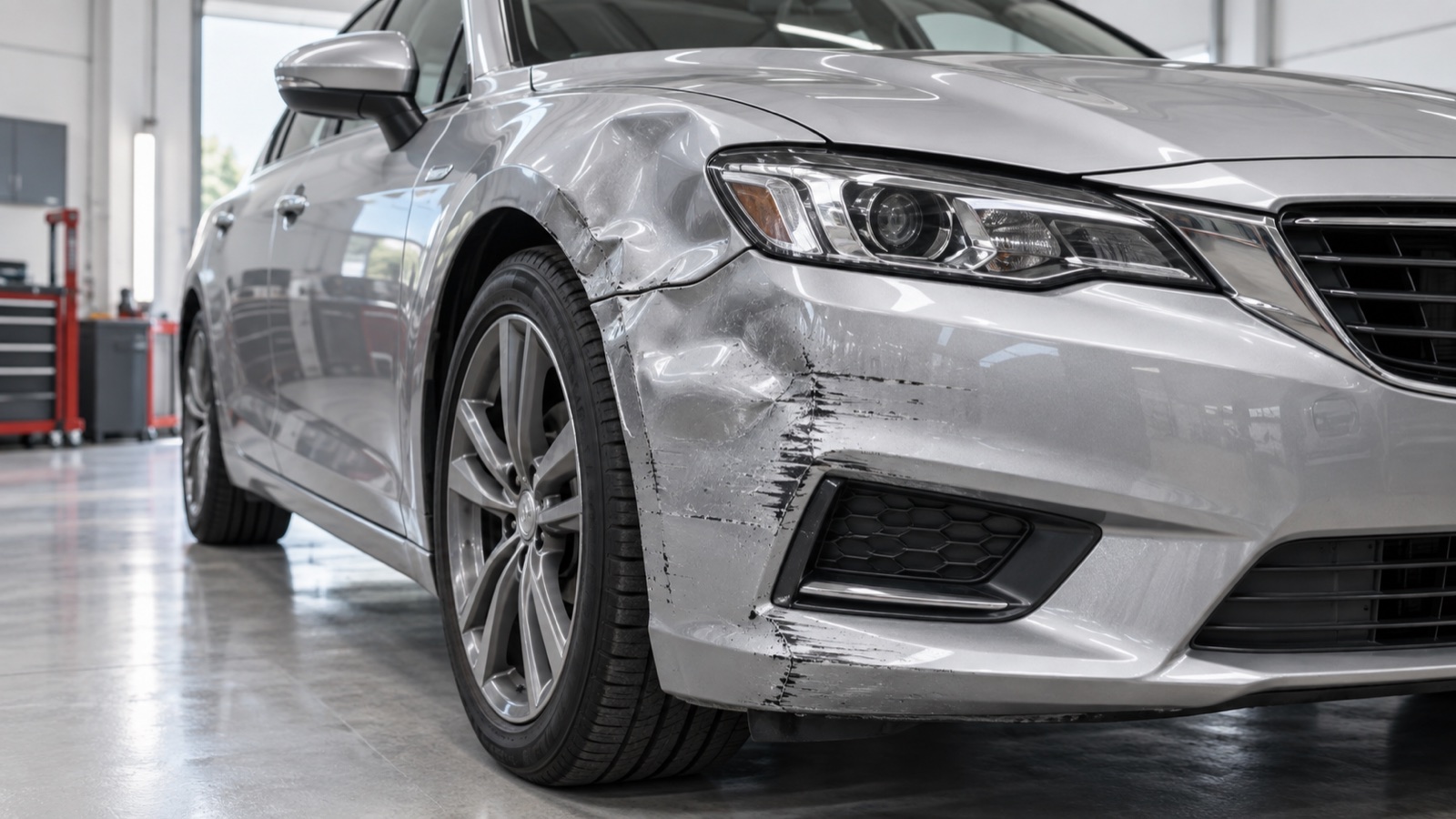
Ask the specialist to go from the description to specific components. For the Front End, it is worth clarifying the condition of the front structure, cooling and equipment in the impact zone; for the Side - the doorways, pillars and passenger restraint systems. This is a question for inspection, not a ready-made diagnosis from a photo.
Link code to photos and story
Look at all angles, not just the cover of the lot. Pay attention to asymmetry, wheel position, gaps, and missing parts. Write down which areas are not visible. Instead of the phrase “small impact,” formulate a request: photos of a specific component and an assessment of whether the damage affected adjacent systems are needed.
Mechanical, Water/Flood, or Unknown Damage require extra investigation. For possible flooding, NICB recommends checking for history and signs of water, rust, sludge, or moisture. This list does not allow for remote diagnosis; it helps determine the scope of the inspection.
Separate damage from document type
The body impact mark, the possibility of starting and the type of document answer different questions. Even if the external repair seems clear, a separate check is required of what document is being handed over to the buyer and whether it is suitable for the planned registration. Do not replace the document check with an assessment of the photos.
Save the full name of the document with the issuing state and give it to the registration specialist before the purchase. The abbreviation in the list of lots may not be enough to conclude. Also, clarify whether the document is already available: the time of its receipt affects the planning of subsequent stages.
Write a short request for an independent review
Give the inspector the lot number, VIN, all damage codes, and a list of discrepancies. Ask them to separate the inspected components from those that were not accessed. This will give you a clear conclusion and allow you to agree on what additional work is required for the bid.
The lot should be evaluated along with the restoration estimate. If a critical component is not tested, record this as an uncertainty. Raising the bid to the budget limit leaves no room for such uncertainty, so the decision to reject is sometimes the most reasonable.
- Photos of impact zones, bottom and areas with incomplete information.
- Security system check and diagnostic report to the extent available.
- List of necessary parts, work and additional measurements.
- Explanation of inspection restrictions and recommended method of transportation.
Frequently asked questions
Can I pick up Run and Drive on my own?
The mark does not confirm technical and legal readiness for road traffic. The method of attachment must be agreed upon based on the actual condition of the car and the conditions of the site.
Does Minor Dent/Scratches mean just cosmetic repairs?
The code alone does not confirm the complete list of works. Compare it with the photo, history and inspection results.
Is it possible to determine the repair budget based on the name of the damage?
An estimate requires specific details, work, and diagnostics. The same damage name on two cars may hide a different amount of repair.