What result is required for an auction bid?
If you suspect flooding, pretty pictures of the car aren't enough to make a buying decision. As NHTSA explains, the effects of water damage can show up later, and a cleaned-up vehicle may appear to be in good condition. The goal of the inspection is to gather documented observations and determine what remains unknown before agreeing on an auction bid.
Create a separate list of questions specifically for the selected car. Include a link to the car’s auction listing, the date of inspection, available photos, and a description of any suspicious areas. Do not write down assumptions as the established cause of the damage. This material helps prepare the inspector’s task; it is not a conclusion about a specific car or a WonderCar case.
Match the title deed and history
The American document of ownership of a car is called a vehicle title. The NMVTIS system stores the history of special marks assigned by state authorities, including flood marks. Check the history of such marks, not just the name of the latest document. The official NMVTIS explanation also separates this data from the repair and maintenance history, which the system is not designed to provide.
Nevada DMV warns: Not every flood is reported. Therefore, the absence of water damage does not confirm the absence of damage. Conversely, one suspicious mark in a photo does not establish a flood event. Keep both types of information for the reviewer: documentary records and physical signs that need to be explained.
In your own folder, record the date of each report and the exact wording of the mark found. If the document, announcement, and history data contradict each other, formulate the discrepancy as a separate question. Checking this information is not a substitute for determining the suitability of the documents for the planned import and registration.
What areas to ask to be inspected
NHTSA advises looking for musty odors, excessive air freshener odors, dirt, water stains, and unusual corrosion. Hidden areas, such as the trunk, glove compartment, and under the dashboard, are also important. Odors cannot be verified from a photo; that's a separate question for the person inspecting the car.
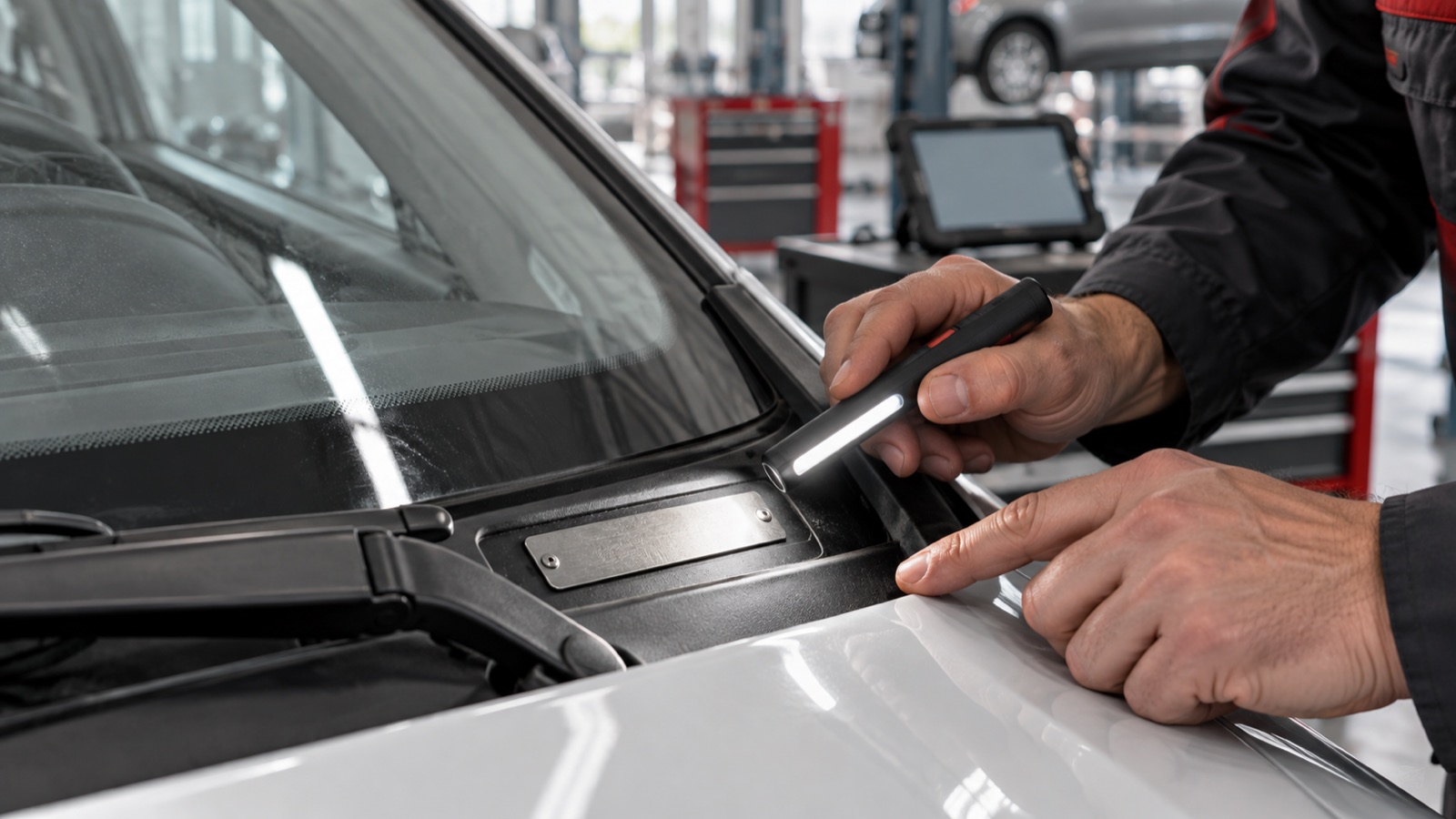
Nevada DMV provides more specific guidelines: moisture and deposits under the floor covering, rust on unpainted fasteners under the seats, corrosion on wires and connectors. Give the technician a brief assignment and ask them to mark inaccessible areas. Disassembly and electrical work should be determined by the technician based on the condition of the vehicle and the scope of the inspection.
- Interior and trunk: record moisture, stains, sludge, and unusual odors.
- The space under the seats and dashboard: take photos of accessible fasteners and suspicious deposits.
- Accessible wiring and connectors: describe visible signs of corrosion and the need for further diagnostics.
- Underbody of the car: assess the nature of the corrosion taking into account the age and operating conditions.
- Inspection limits: name areas that were not inspected and explain the reason.
How to read a reviewer's opinion
Ask to divide the report into observations, their professional explanation, and recommended further checks. For example, a record of a stain should include its location and a photo; a conclusion about the origin of the stain needs a separate justification. This is an editorial template for working with evidence, not a way to establish a technical diagnosis yourself.
A hypothetical case study: The history report does not include a flood flag, but the inspector notes a wet floor. The correct next step is to determine the source of the moisture and the extent of the diagnostics needed. You should not automatically declare the vehicle flooded or ignore the moisture because it is not recorded. The example is fictional and does not describe the WonderCar order.
Starting and charging is not the way to remove suspicion
NHTSA recommends evaluating a flooded vehicle before starting it, as damage may not be visible. For an electric or hybrid vehicle with suspected water damage to the battery, the agency specifically points out the risk of electric shock and fire and advises contacting the dealer. Do not ask the dealer to start or charge the vehicle just for a demonstration video; the procedure for checking and moving the vehicle should be agreed with specialized specialists.
When to postpone decisions and what to hand over to WonderCar
Delay approval of the auction bid amount if significant discrepancies are not explained, required areas are not available for inspection, or there is no clear plan for further inspection. Mark uncertain work and costs as uncertain. This article does not establish a safe level of flooding, a universal repair price, or a guarantee of no future failures.
Through the WonderCar application form, you can discuss the selection of the car and the available scope of inspections. Prepare a link to the auction announcement of the car and a short list of unresolved questions: what is said in the history, what signs have been noticed and what confirmation is missing. Transfer documents through an agreed private channel. The practical result of the application is to determine what answers you need to receive before making a purchase decision.