Before you start
- Check the VIN on the card, documents, and photos of the car.
- Use multiple sources with different data coverage.
- The history report supplements, but does not replace, a technical inspection.
First, make sure you check the right car
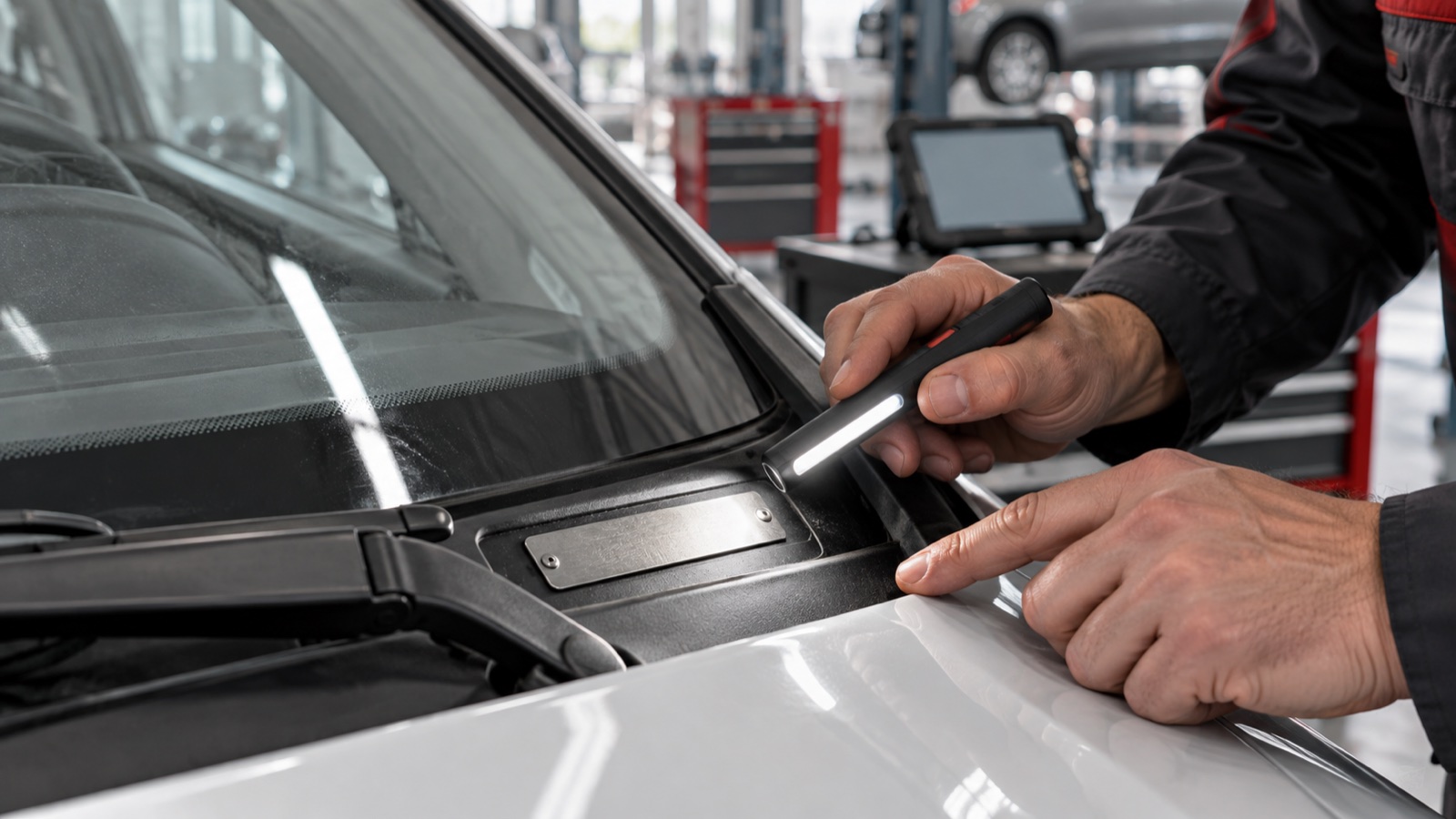
VIN check starts before ordering a paid report. Copy the full ID from the card and compare it with the photo of the factory markings and documents provided by the seller. Use the lot number additionally: it helps to find the auction record, but does not replace the VIN of the car.
Create a separate folder for each candidate. Put links to the lot, photos, received reports, and a list of questions there. Do not mix data from similar cars of the same color or configuration. If the identifiers differ in at least one character, first find out the reason for the discrepancy.
Check document history and insurance marks
NMVTIS is an American vehicle history and document data system. Its consumer report contains information about the title and its markings, the last reported mileage, and certain salvage or total loss records. Reports are obtained through vendors listed on the system's official website.
Read the explanation of the marks and dates of the entries. The word clean on a separate document does not describe all the repairs to the car. Compare the change of status, the insurance event and the photos from the corresponding period. If the document was issued in another state, check the sequence of events, and do not draw a conclusion only from the last line.
Add hijacking and recall campaign verification
The free NICB VINCheck checks for undetected theft records and individual insurance statuses from participating companies. The service explicitly states that a lack of matches does not guarantee a completely clean history. It should be used as an additional step, not the sole basis for a decision.
On the NHTSA website, you can separately check for pending recalls by VIN. Zero campaigns found does not mean that the car has never been recalled: the search has limitations and does not show, in particular, all repairs that have already been performed. For imported cars, check with the manufacturer about the recall procedure in your region.
Build a chronology of mileage and damage
Consolidate the main entries into a simple table: date, source, mileage, event, and photo. Label the unit of measurement next to each number so that you don’t compare miles to kilometers without converting. A decrease in a number, a large gap, or a discrepancy with the card is a reason for clarification, not automatic proof of a specific reason.
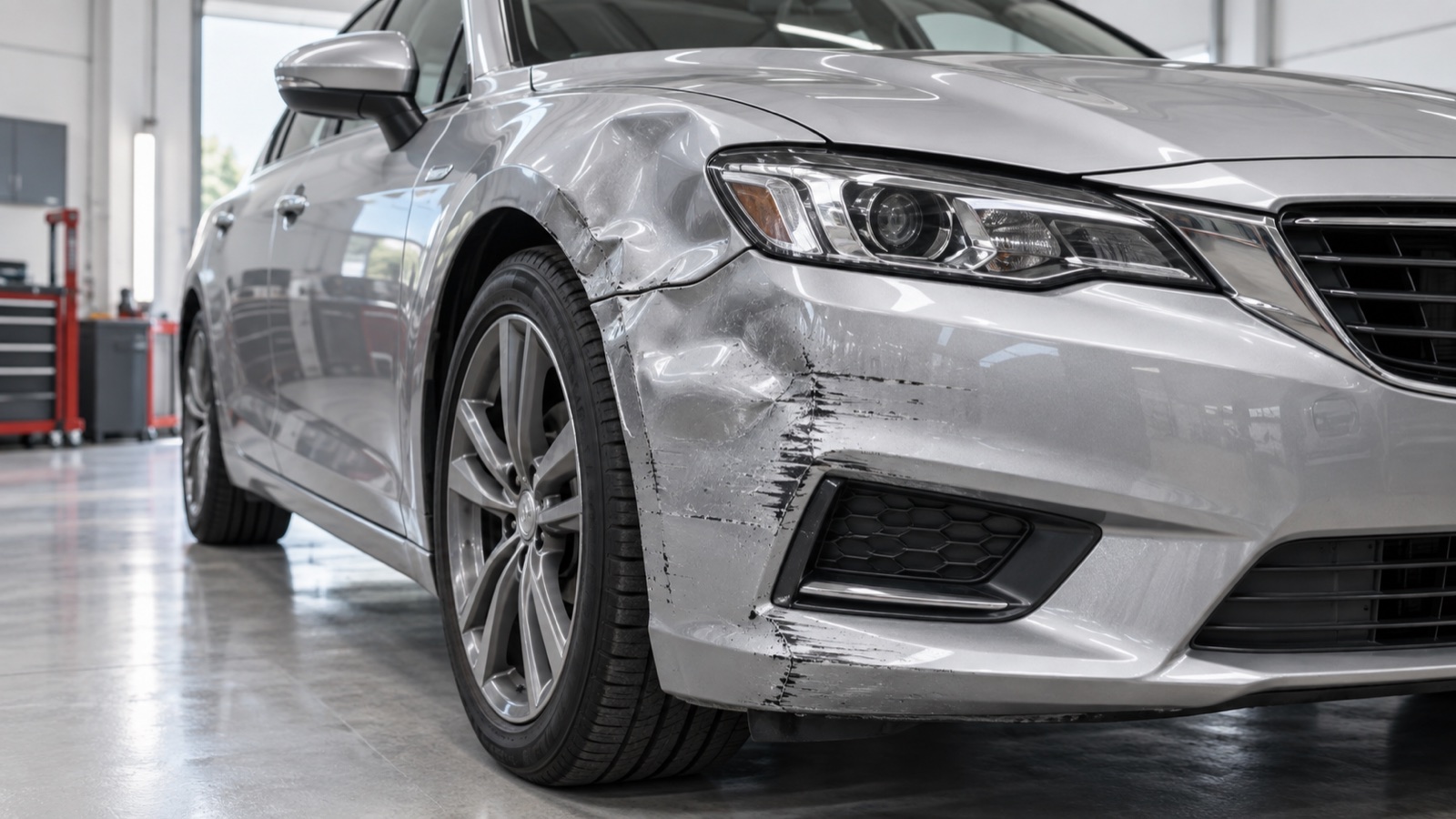
If you find previous auction photos, compare the impact areas, wheels, interior, and trim. New exterior panels may hide the previous condition, so ask for details of the work that was done. The absence of old photos also does not prove that there was no damage.
Turn results into review tasks
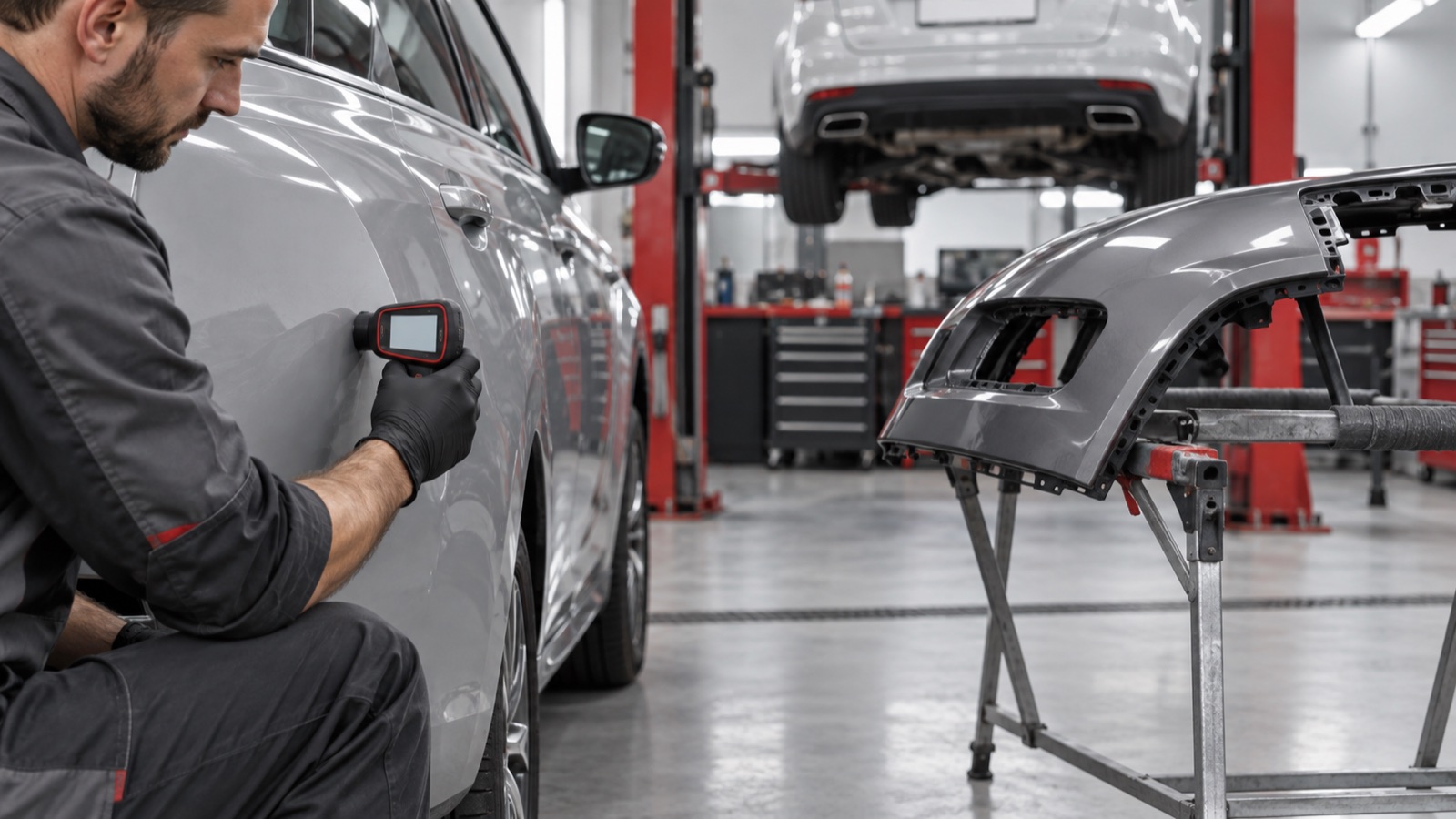
The final result of the inspection is a list of confirmed facts and open questions. Give it to the specialist who will inspect the car: this way he will check the suspicious areas and explain the discrepancies. The FTC specifically emphasizes that the history report is not a substitute for an independent technical inspection.
Make your bid decision after you have answered the essential questions. The report itself, the date it was received, and the inspection conclusion should remain in the folder. This is more useful than a brief “VIN good” rating that doesn’t explain the scope of the inspection or the condition of the vehicle.
- The IDs match, the documents have been verified.
- Mileage and events are summarized in a chronology with units of measurement.
- The discrepancies were submitted for review and explained.
- Uncertainty is factored into the purchase decision.
Frequently asked questions
Is one Carfax or AutoCheck report enough?
Each source has its own coverage and limitations. It is worth comparing the report with documents, auction data, available official inspections and independent review.
Does the lack of records mean that the car was not in an accident?
No. The event may not have been traced to a specific source. Physically inspect the vehicle and analyze the available history in its entirety.
When to check the VIN?
After shortlisting candidates, but before bidding or depositing money for a specific car. Recheck the VIN when receiving the documents and the car itself.